


Organic Flour Quality & Certification FAQ | Food Safety Guide for Global Buyers
🌾 Organic Flour Certification & Quality FAQ: What Global Buyers Should Know
When purchasing organic flour internationally, buyers need more than competitive pricing. Product certification, food safety, production control, and supplier reliability are critical factors that determine long-term cooperation.
A professional organic flour manufacturer should have a complete quality management system covering raw materials, production processes, testing procedures, packaging, and export documentation.
This FAQ explains the key questions international buyers often ask before choosing an organic flour supplier.
🌱 1. What does certified organic flour mean?
Certified organic flour is produced from grains grown and processed according to recognized organic management requirements.
Compared with conventional flour production, organic flour focuses on:
🌱 Natural agricultural practices
🚫 Reduced chemical input
🔍 Traceable raw materials
⚙️ Controlled processing procedures
📋 Documented quality management
Certification helps buyers verify that the product meets organic production requirements.
🏅 2. Why is organic certification important for flour buyers?
For importers and food brands, certification provides confidence in:
✅ Raw material origin
✅ Production transparency
✅ Product authenticity
✅ Market acceptance
Organic certification is especially important for:
🌍 Organic food distributors
🏪 Supermarket brands
🍞 Premium bakeries
🌱 Health food companies
It helps customers build trust with their own consumers.
🌾 3. How do you ensure organic grain traceability?
Traceability is an important part of organic flour quality management.
Our system focuses on:
📍 Raw material source tracking
🌱 Certified planting management
📦 Batch production records
🔍 Quality inspection records
From grain selection to finished flour packaging, each production stage is controlled to maintain stable quality.
🔬 4. What quality tests are performed on organic flour?
Before shipment, organic flour can be evaluated through multiple quality inspections.
Common testing items include:
🌾 Physical Properties
Color
Moisture content
Particle size
Powder fineness
🧪 Safety Indicators
Microbiological testing
Food safety inspection
Residue testing
🍞 Baking Performance
Protein content
Gluten strength
Dough performance
Testing requirements can be adjusted according to customer market standards.
⚙️ 5. What production processes are used in organic flour manufacturing?
Professional organic flour production includes several controlled steps:
🌾 Grain Receiving
Raw grains are inspected before entering production.
🧹 Cleaning
Impurities are removed through professional cleaning equipment.
⚙️ Milling
Modern milling technology processes grains into different flour types.
🔍 Quality Inspection
Finished products are tested before packaging.
📦 Packaging
Products are packed according to export requirements.
Every stage influences final flour quality.
🌿 6. Does organic flour contain additives?
High-quality organic flour products focus on clean-label production.
Our organic flour solutions are designed with:
🚫 No unnecessary additives
🚫 No artificial bleaching agents
🚫 No preservatives
The natural characteristics of wheat are maintained as much as possible.
🌾 7. What is the difference between organic flour and regular flour?
The main differences include:
Organic grain sourcing | Conventional grain sourcing |
Strict production management | General production management |
Strong traceability | Different levels of traceability |
Natural product positioning | Standard flour positioning |
Organic flour is often selected by customers seeking healthier and premium food products.
🥖 8. How does organic flour perform in baking?
Organic flour can provide excellent baking performance when properly selected according to application.
Important factors include:
💪 Protein content
🌾 Gluten structure
💧 Water absorption
🥖 Dough stability
Different applications require different flour characteristics.
Examples:
🍞 Bread production → high gluten flour
🍜 Noodle production → suitable elasticity and texture
🥐 Bakery products → balanced flour performance
📦 9. What packaging is recommended for organic flour export?
Export packaging should protect flour quality during international transportation.
Common solutions include:
📦 25kg kraft paper bags
Advantages:
✔ Strong protection
✔ Suitable for container shipping
✔ Easy warehouse handling
✔ Suitable for industrial buyers
For retail markets, we also support:
🏷️ Customized branded packaging
📦 Small consumer packages
🚢 10. How do you ensure product quality during international shipping?
International transportation requires careful preparation.
We focus on:
📦 Proper packaging
🌡️ Suitable storage conditions
📋 Complete shipping documents
🔍 Pre-shipment inspection
Our goal is to help customers receive products with stable quality.
🌍 11. Can your organic flour meet different country requirements?
Different countries may have different requirements for imported food products.
We can support customers by providing:
📄 Product specifications
📋 Quality documents
🧪 Testing reports
🌱 Certification information
Our team works with buyers to understand destination market requirements.
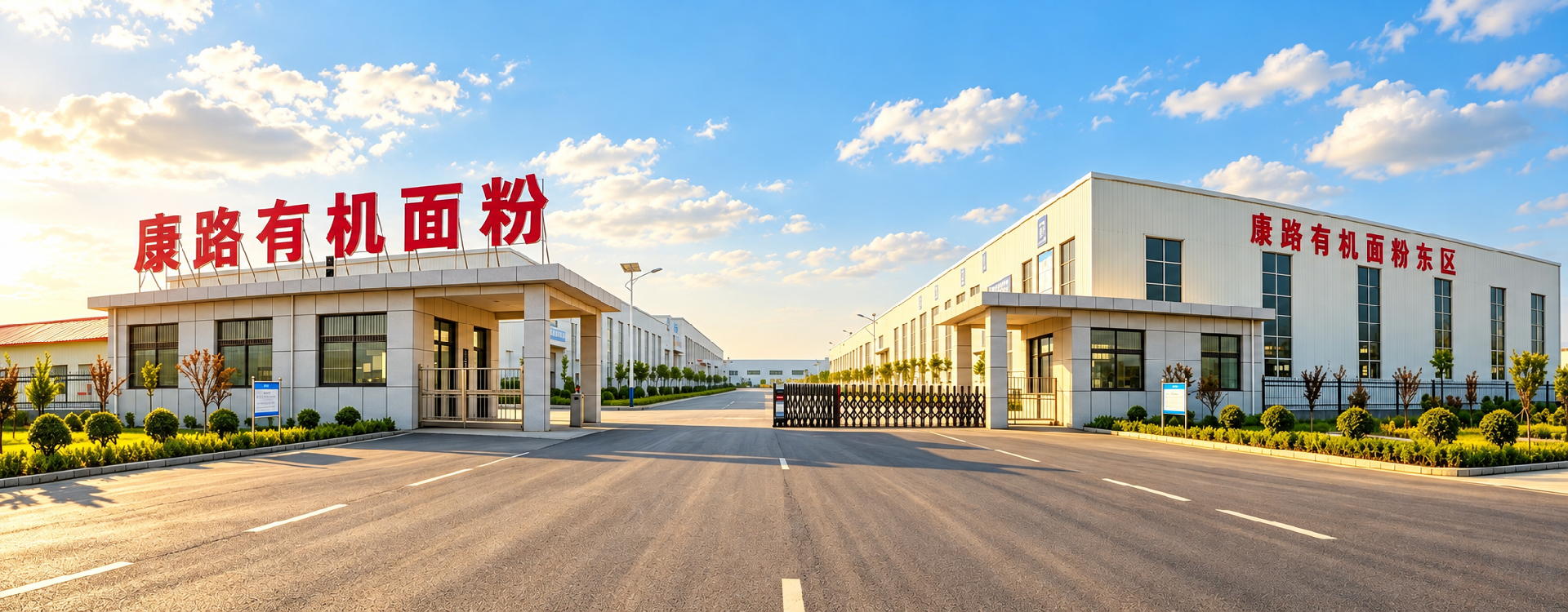
🏭 12. What factory advantages should buyers evaluate?
When selecting an organic flour supplier, buyers should consider:
🏭 Manufacturing Capability
Production equipment
Processing experience
Supply capacity
🔍 Quality System
Inspection procedures
Production management
Documentation
📦 Export Capability
Packaging solutions
Export experience
Customer service
A strong factory partner can provide more stable long-term cooperation.
🧾 13. Can you provide documents before placing an order?
Yes.
According to customer requirements, we can provide relevant documents including:
📄 Product specification sheet
📄 Quality certificate
📄 Test reports
📄 Organic certification documents
📄 Export documents
This allows buyers to evaluate product suitability before cooperation.
🌱 14. Do you support customized organic flour development?
Yes.
We provide customized solutions for different applications.
Customization options include:
✔ Flour formulation
✔ Grain combinations
✔ Nutrition requirements
✔ Packaging design
✔ Private label products
This service is suitable for food brands and specialized markets.
🤝 15. Why cooperate with a professional organic flour factory?
Choosing a professional manufacturer means:
🌾 Stable raw material supply
🏭 Controlled production process
🔬 Reliable quality inspection
📦 Flexible packaging solutions
🌍 Export support experience
A reliable supplier becomes a long-term partner for your business growth.
📩 16. How can I request organic flour samples or quotation?
Please provide:
📌 Product type
📌 Required quantity
📌 Application
📌 Destination country
📌 Packaging requirements
Our team will recommend suitable organic flour products and provide a professional solution.
🌱 Partner With a Certified Organic Flour Manufacturer in China
High-quality organic flour requires reliable raw materials, professional manufacturing, strict quality control, and transparent supply management.
As an organic flour manufacturer, we provide:
✅ Certified organic flour solutions
✅ Professional production capability
✅ OEM and private label service
✅ Export packaging support
✅ Long-term supply cooperation
Contact us today to discuss your organic flour sourcing requirements.
